As an Amazon Associate I earn from qualifying purchases.
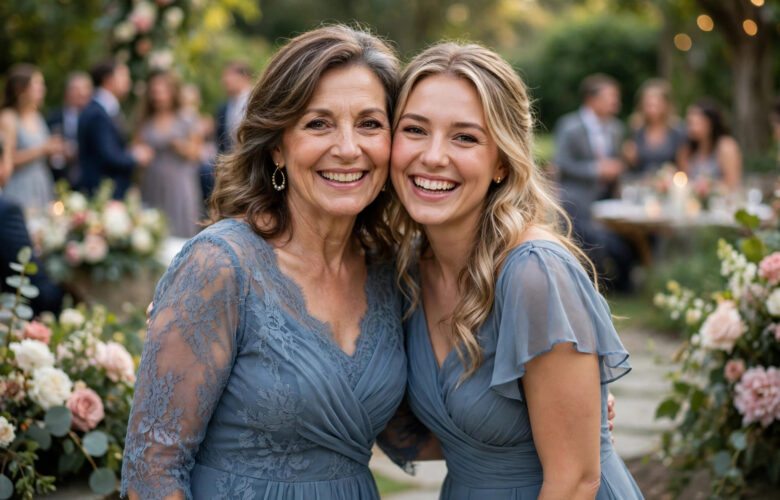
The invitation is beautiful, and it creates two problems at once. You have to dress for a formality level written in code, black tie optional, cocktail, dressy casual, and you have to do it as a pair, so the photographs show a mother and daughter who clearly belong together without either of you outshining the couple or dressing like the wedding party. This guide decodes the tiers first, then shows you how to coordinate across generations inside whichever tier the invitation sets.
Mother Daughter Outfits
Dressed as Guests, Together
Start with the occasion guides for every event on your calendar, from bridal showers to holiday parties.
Key Takeaways
- Read the invitation, the time, and the venue before you shop, because those three clues set the formality more reliably than any guess.
- Coordinate on color family and formality level, not on identical dresses, so each generation wears the cut that suits her.
- Leave white, ivory, and cream to the couple, and check the wedding party colors before you settle on a shade.
- Choose shoes for the ground you will actually stand on, grass, sand, or stone, not for the photograph alone.
- Keep one tier of polish in reserve, a wrap, better earrings, a dressier shoe, so a surprise upgrade in formality never catches you out.
Table of Contents
- Start With the Invitation, Not the Closet
- The Formality Tiers, Decoded for Two
- The One Rule That Outranks the Dress Code
- Coordinating Across Generations
- Colors That Photograph Well Together
- Fabrics by Season and Venue
- Shoes, Wraps, and the Ground Underfoot
- Three Matching Sets That Work as Guest Dresses
- Little Daughters, Tweens, and Teens as Guests
- Care and Rewear After the Wedding
- Our view
- FAQ
Start With the Invitation, Not the Closet
Every wedding guest mistake begins the same way, with shopping before reading. The Emily Post wedding guest attire guidance puts the order right: the invitation and the time of the wedding are your best guide to formality, ahead of habit and ahead of the dress you already own. The invitation carries four clues at once: the stated dress code, the start time, which separates a daytime garden party from an evening ballroom, the venue, which tells you the ground and the likely polish, and the formality of the invitation itself.
When the invitation says nothing
Plenty of invitations name no code at all. In that case the guide to what to wear from The Knot gives the working method: pull the clues from the couple’s wedding website, weigh the time of day and the season, and if the picture is still unclear, ask the couple rather than guessing. For a pair the stakes double, because if you read the day as casual and she reads it as cocktail, the photographs show the disagreement. Agree on the tier together, out loud, before either of you shops.
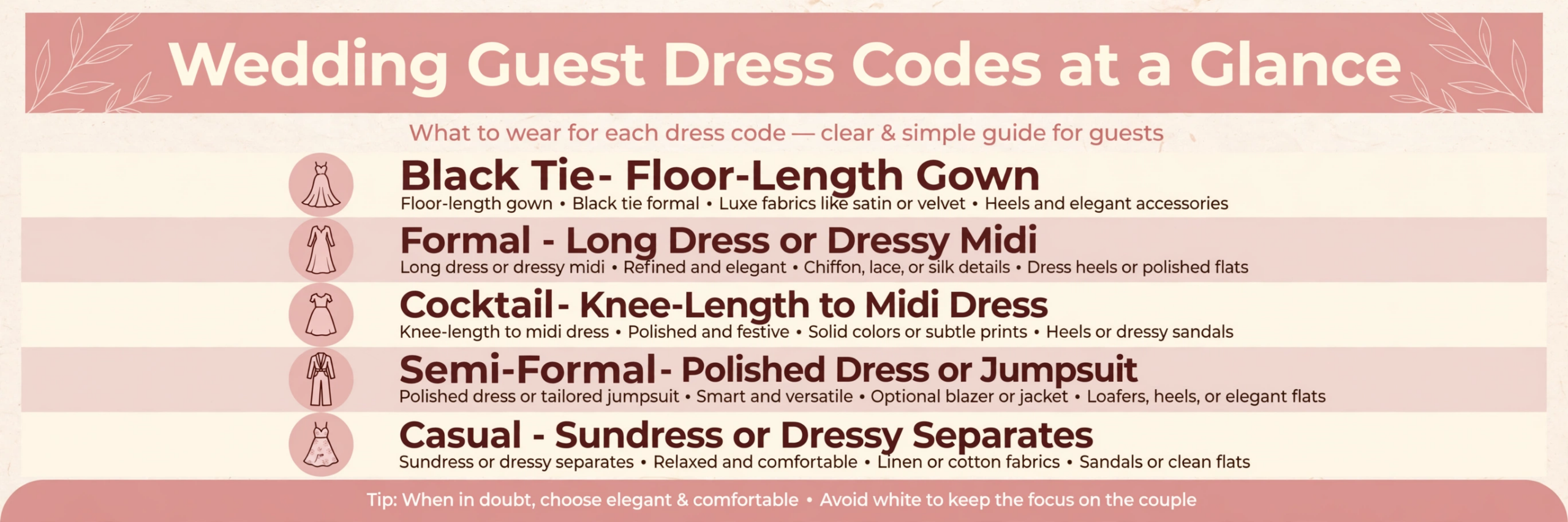
The comparison below is the shortcut we use. Find the invitation’s wording in the first column and shop from the third.
| Invitation says | What it really means | Mother and daughter wear |
|---|---|---|
| Black tie | A formal evening event, the dressiest code most guests ever meet | Floor-length gowns in rich fabrics, refined jewelry, evening shoes |
| Formal / black tie optional | Gowns welcome, elevated shorter dresses accepted | A long dress or an elegant midi in a luxe fabric, dressy accessories |
| Cocktail | Polished and festive, below formal, above everyday dressy | Knee-length to midi dresses, or a dressy jumpsuit, with heels or polished flats |
| Semi-formal / dressy casual | Dressy, with the time of day deciding how far to lean | A polished midi or dressy separates, lighter by day, deeper tones by night |
| Casual / garden / beach | Relaxed, but still a celebration, never everyday clothes | A sundress or flowy maxi, flat sandals or wedges chosen for the ground |
The Formality Tiers, Decoded for Two
The tiers are a ladder, and every reliable guide climbs it in the same order. The wedding dress codes guide from Brides starts at white tie, floor-length gown with no exceptions, and steps down through black tie and black tie optional to cocktail, where women trade the floor-length dress for a tea-length or midi look. The dress code cheat sheet at The Knot agrees: floor-length at black tie, elevated midi at black tie optional, structured shorter dresses at cocktail.
Where mother-daughter pairs go wrong on the ladder
The classic pair failure is a split ladder, one of you a full tier above the other. Mother in a floor-length gown, daughter in a sundress, and the photograph reads as two different weddings. The fix is not identical dresses. It is identical altitude. Pick the tier together, then let length, neckline, and sleeve diverge inside it. At cocktail, the Zola guide to wedding guest attire lists cocktail dresses, midi dresses, and dressy jumpsuits side by side as equals, so a mother in a midi and a daughter in a jumpsuit are formally matched. The Sherri Hill dress code guide makes the same point in chart form, pairing each code with a length range rather than a single required dress, and length ranges are exactly what a two-generation pair needs.
Semi-formal is the vaguest word on any invitation. Brides treats it as a close cousin of dressy casual and gives the tiebreaker as timing, darker for evening, lighter for daytime. Apply that tiebreaker as a pair and you will land together. A themed code, garden formal or beach formal, is a fabric and footwear instruction layered over the nearest standard tier, not a costume brief.
The One Rule That Outranks the Dress Code
A guest’s first job is not to look wonderful. It is to leave the spotlight where it belongs. The rule everyone knows is the white rule, and The Knot’s guide to wearing white states it plainly: guests stay away from outfits predominantly white, cream, or ivory, because that family is reserved for the couple, unless the couple explicitly asks for it. The Emily Post guest manners briefing sharpens the point: cream counts as white, and what matters is how the dress reads in a photograph, not what the tag called the color.
The quieter ways guests upstage
White is the famous trap, but a coordinated pair has two quieter ones. The first is matching the wedding party: if the attendants wear dusty blue and the two of you arrive in dusty blue, every group photograph confuses you with the party, so check the couple’s website for the party palette and steer a shade away. The second is a matching set too theatrical for guests, identical gowns with maximum sparkle, which pulls focus in a way a single bold dress never would. Coordination should read as family, not performance. The dynamic our going out outfits guide celebrates on a night out, where standing out together is the whole point, is exactly what a wedding asks you to dial back.
There is also a coverage question, and it belongs to the ceremony. The Emily Post attire guidance asks guests to weigh the nature of the service, including whether the setting expects covered shoulders, before choosing a dress. A wrap or a sleeve solves it in advance, which is calmer than solving it in a church doorway.
Coordinating Across Generations
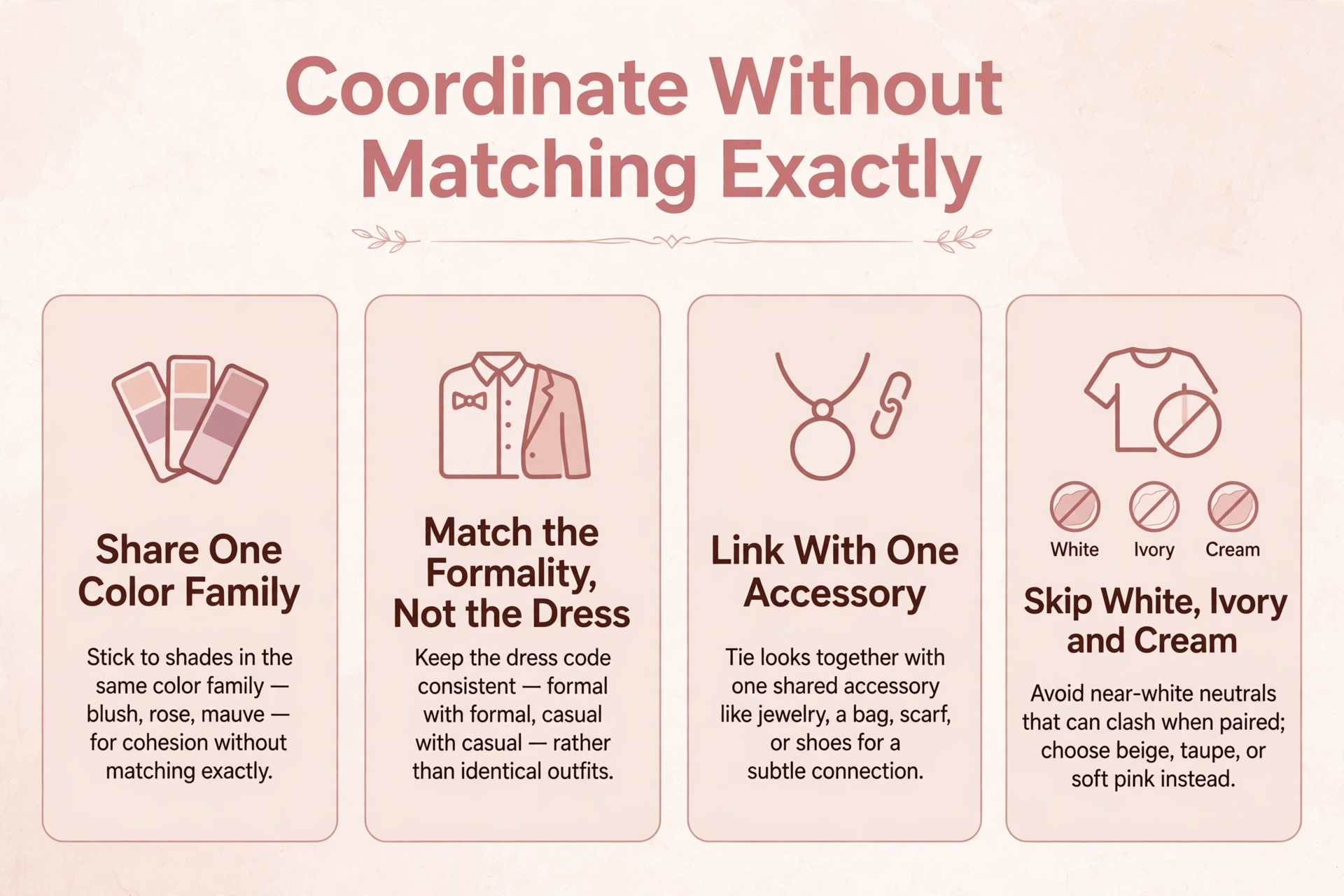
Coordination works when you match the things photographs actually record and free everything else. Photographs record color family, formality, and one or two shared details. They punish identical dresses on different bodies, because the same cut that flatters a twenty-year-old can fight a fifty-year-old at every seam. So build the pair in this order. First, one color family, two shades of it if your skin tones pull different ways. Second, one formality tier. Third, one linking detail, a shared metal in the jewelry, a matching clutch shape, the same shoe finish. Everything else belongs to the wearer.
Adult daughters, teen daughters, little daughters
The linking detail scales with age. With an adult daughter, coordination is a conversation between equals, and the pattern in our guide to how adult daughters influence moms’ style runs both ways: she may pull you toward a cleaner silhouette, you may pull her toward the tier the invitation set. With a teen, keep the link to color and one accessory, and let her silhouette be unmistakably hers. With a little daughter, identical is finally allowed, as long as her version keeps a child’s fit and room to sit on the floor during the reception. Our photo shoot outfits guide covers the camera side of this in depth, and a wedding is simply a photo shoot where somebody else sets the brief.
Budget is part of coordination too, because a pair doubles every cost. The approach in our matching wardrobe on a budget guide maps cleanly onto guest dressing: put the money into the two dresses, borrow or rewear the accessories, and let the linking detail be something one of you already owns.
Colors That Photograph Well Together
Color is where the not-upstaging rule and the coordination rule meet. Start with the exclusions: white, ivory, and cream are out, and the wedding party’s color is out, or at least a clear shade away. What remains is a generous field, divided by light. The Brides dress code guide notes that dressing follows the clock, light hues by day, darker colors in the evening, and the same logic scales up the ladder: jewel tones carry an evening formal wedding, while daytime belongs to clear mid-tones and soft prints.
The black question, settled
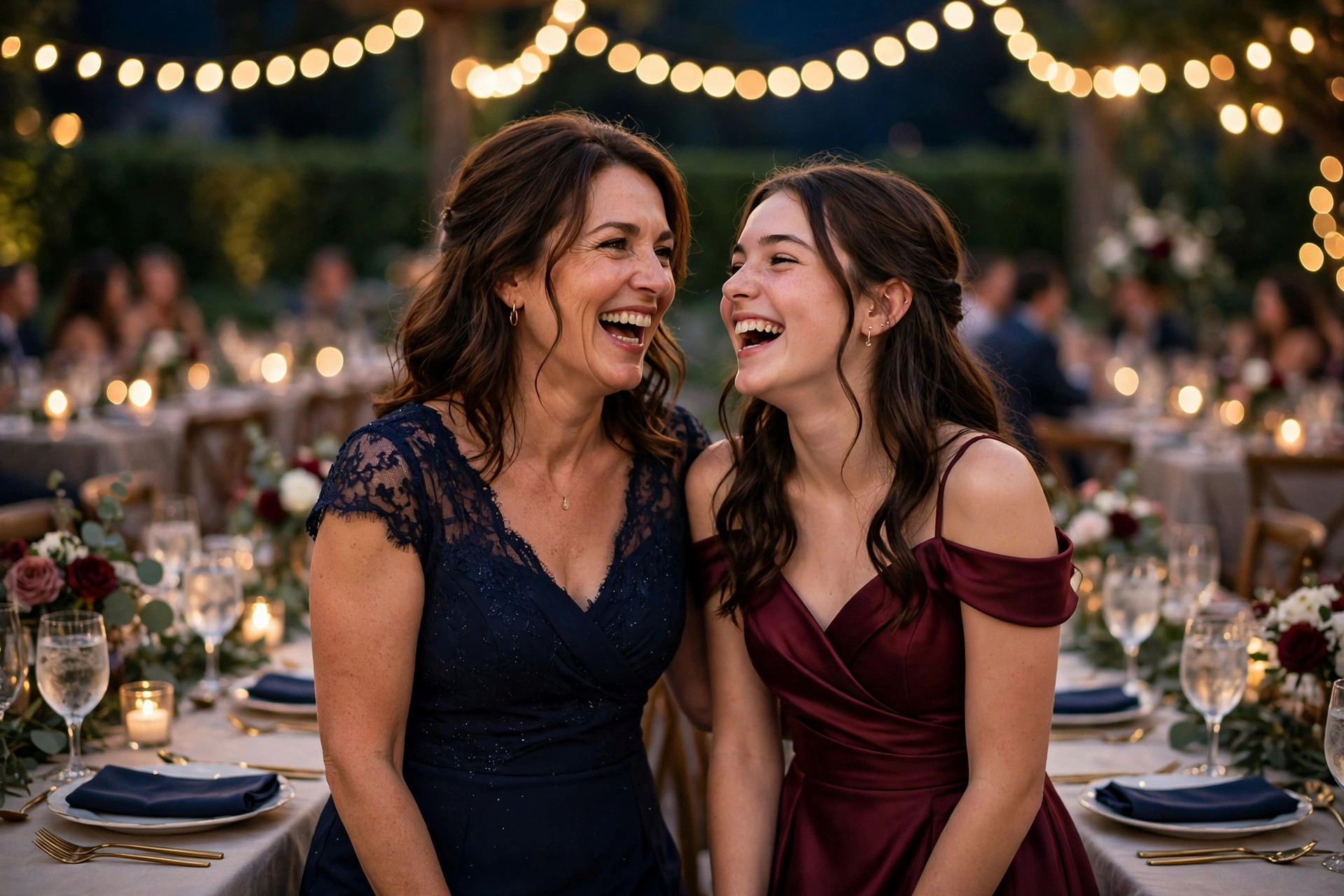
Black used to be the second forbidden color, and the modern authorities have retired that rule. The Brides guide to wearing black reports experts agreeing that black is now completely acceptable for guests, with the sensible caution that it suits evening and cooler-weather weddings better than a summer afternoon outdoors. The Zola advice on black tells the same story: the mourning association has faded, and the invitation’s instructions remain the final word. For a pair, black has one extra virtue, it coordinates with everything, so a mother in black and a daughter in a jewel tone still read as deliberate. If you both wear black, separate the looks with texture, lace against satin, so the photographs show two dresses. The after-dark end of our date night outfits guide shows how much work texture does in low light.
Prints deserve one caution. A floral on a white or ivory ground can photograph as a white dress from a distance. Choose prints on a colored ground, blush, sage, dusty blue, navy, and the problem disappears. The balance our fashion trends guide recommends, one print and one solid in the same family, is also the safest wedding formula.
Fabrics by Season and Venue
Fabric is the tier made physical. A midi in cotton and the same midi in satin are two formality levels in one silhouette, which is why the guides name fabrics alongside lengths. Brides describes black tie in fabrics such as silk and organza, and the Sherri Hill guide lists satin, crepe, velvet, silk, and beaded lace for the same tier. Down the ladder the fabrics lighten: chiffon and lace at formal and cocktail, breathable weaves at casual. For a pair, matching fabric weight matters more than matching fabric: velvet beside linen looks like two seasons collided, while velvet beside satin reads as one evening, two dresses.
Season and setting adjustments
Season moves every tier one notch. A winter evening wedding invites heavier fabric, longer sleeves, and deeper color at cocktail length. A summer afternoon pulls the other way, and the fabric question becomes survival: an outdoor ceremony in a heavy synthetic is a long hour. Venue adds its own layer: a ballroom rewards sheen, a garden rewards movement, a beach rewards a hem that will not fight the wind. The outdoor dressing logic in our festival and concert outfits guide transfers directly, dress for the ground and the weather, then add the polish the tier requires. For the youngest guests, fabric is also comfort, and our matching pajamas guide is a reminder that a child who is itchy or hot will not be rescued by how pretty the dress is.
Shoes, Wraps, and the Ground Underfoot
Shoes are the decision guests most often get wrong, because they choose for the ceremony photograph and forget the lawn, the gravel path, and four hours of standing. The Zola attire guide pairs each code with footwear, heels and dressy flats at cocktail, wedges and flats at casual, which encodes the real rule: the shoe must suit both the tier and the terrain. On grass, a block heel or wedge spreads weight a stiletto concentrates. On sand, flats are not a compromise, they are the only working option. Indoors, heel height becomes a question of how long you intend to dance.
The wrap is a strategy, not an afterthought
Pack the wrap as part of the outfit, not as an emergency. It covers shoulders for a conservative ceremony, answers evening chill, and gives a sleeveless dress a second, more formal register after dark. Match the wrap to the pair rather than to one dress, and it becomes the linking detail from the coordination section doing double duty. The same planning instinct runs through our brunch outfits guide, where the layer you bring decides whether the outfit survives the whole occasion. One more note for pairs: agree on heel heights roughly in advance if you care about the photographs.
Three Matching Sets That Work as Guest Dresses
The AWIBMK floral A-line set below is the garden and daytime pick: a ruffled floral long dress in the same print for mother and daughter, in a pink floral that sits safely on a colored ground. It suits a semi-formal or dressy casual daytime wedding best, and the A-line is the rare cut that flatters both generations. Measure against the brand’s own mom and daughter charts before you buy.

The Askwind floral maxi set below is the floaty, romantic option: a floral family dress in a light fabric that moves beautifully outdoors, in the same print for mother and daughter. Choose a colored floral option rather than a white-based colorway, for the photograph rule covered earlier. Light fabrics like this want the gentle handling described in the care section, and the logic in our boutique finds guide applies too: check the fabric and the size chart twice.
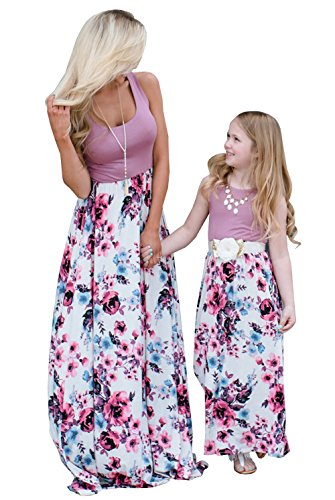
Mommy and Me Dresses Casual Floral Family Outfits Summer Matching Maxi Dress (Purple, 3-4T)
Offer 19.98 $
List Price
The boho floral maxi set below is the relaxed-tier specialist: a short-sleeve, high-waist, flowy maxi made for beach, garden, and casual weddings where a structured dress would be overdressed. The length reads formal enough in photographs while the cut stays comfortable for a long outdoor day. Pair it with the dressed-up options in our holiday outfits guide and you cover nearly the whole calendar between them.

Little Daughters, Tweens, and Teens as Guests
A wedding is a long, formal, mostly adult day, and a daughter’s outfit has to survive all three adjectives. For a little daughter, the dress is the easy part; the real planning is shoes she can actually run in, a cardigan for the evening, and a length that lets her sit, climb, and eventually fall asleep across two chairs. For a tween, the negotiation is dignity: too old for the children’s matching dress, too young for the adult one, and the answer is the shared color family with her own silhouette. The planning mindset in our guide to a first trip with your tween works here too, give her a real say inside boundaries you set.
Teenagers and the photograph problem
A teenage daughter will judge the day by its photographs. Two conversations prevent most of the trouble. First, the tier conversation, said plainly: this is the couple’s day, the dress code is theirs, and dressing inside it is good manners. Second, the coverage question, which is really a venue question: a neckline that is unremarkable at a beach ceremony can be a problem in a conservative house of worship, the point the Emily Post guidance raises. Solve both at home, kindly and early. Our casual weekend style guide shows the relaxed end of the mother-teen style relationship; a wedding is the same relationship with the formality turned up.
Care and Rewear After the Wedding
Guest dresses are bought for one day and judged for years, so care is where the value is kept. Chiffon, the fabric of half the dresses in this guide, is the most delicate of the common guest fabrics. The Azazie guide to dress care gives it a strict routine: it snags easily, wants cold hand washing where the label allows, flat drying, and steaming held several inches away rather than a direct iron. The Hunker guide to cleaning chiffon adds the rule that outranks every general guide: if the tag says dry clean only, the dress goes to the cleaner. The SewingTrip chiffon care guide explains why: heat is chiffon’s main enemy, shrinking it and flattening the drape that made the dress worth buying.
Making the dress earn its place twice
Rewear is the honest end of guest dressing. A well-chosen midi in a jewel tone will serve at a holiday party, a formal dinner, and the next wedding with nothing changed but the accessories, the premise of our edgy boutique looks guide applied to a quieter dress: the garment is the constant, the styling is the variable. Store both dresses clean and check them a month before the next invitation rather than the night before. And when the event is yours to give rather than attend, our bridal shower gift guide covers the other side of the wedding calendar.
Our view
We think wedding guest dressing is the purest test of this site’s whole idea. Matching is easy when the day is yours. The craft is coordinating when the day belongs to somebody else, inside their dress code and under their colors, and still arriving visibly together. Pick the tier together, share a color family, link one detail, leave white and the spotlight to the couple, and wear shoes that respect the lawn. Do that, and you will be the guests every couple hopes for. — Mother Daughter Outfits
FAQ
Can a mother and daughter wear identical dresses to a wedding?
For a young daughter, yes, a true matching dress is charming and reads as family. For an adult daughter, coordinate instead: the same color family and formality tier with different cuts, as the Brides dress code guide length ranges allow. Identical gowns on two adults can look like the wedding party or a performance, and the goal is neither.
What if the invitation lists no dress code?
Use the venue, the start time, and the couple’s wedding website as the code, the method in The Knot’s what to wear guide. An evening event at a formal venue means cocktail or above; a daytime garden event means dressy casual to semi-formal. If still unsure, ask the couple.
Can we wear black to a wedding?
Yes. The Brides guide to black and the Zola advice on black both treat black as an accepted, polished guest color now, best at evening and cooler-weather weddings. Separate two black looks with texture so the photographs show two dresses, and always let an explicit instruction from the couple override the general rule.
How do we avoid matching the wedding party by accident?
Check the couple’s website for the party palette before you shop, then choose a different shade, not a neighboring one. The guide to wearing white at The Knot makes the same point about attendants’ colors as about white itself: the couple and their party are meant to be visually distinct, and a guest’s job is to leave that distinction intact.
What shoes work on grass or sand?
Block heels, wedges, or flats on grass, and flat sandals on sand. The Zola guest attire guide pairs footwear with each code, and the terrain rule sits underneath it: a stiletto sinks into a lawn with every step. Choose the shoe for the ground first and the tier second, and bring the dressier pair for indoor photographs if you want both.
Planning a Trip or a Matching Look?
Start with the guides other moms and daughters actually use — the Texas trips hub, the Europe breaks, and the matching-outfit guides for every age.
Sources
- Wedding Guest Attire — Emily Post Institute
- Etiquette Today: Top Wedding Guest Manners — Emily Post Institute
- Every Wedding Guest Dress Code, Explained — Brides
- Can You Wear Black to a Wedding as a Guest? — Brides
- The Ultimate Guide to Wedding Dress Codes — The Knot
- Can You Wear White to a Wedding? — The Knot
- What to Wear to a Wedding as a Guest — The Knot
- Wedding Guest Attire: A Guide to Every Dress Code — Zola
- Can You Wear Black to a Wedding? — Zola
- Wedding Guest Attire: Every Dress Code Explained — Sherri Hill
- How to Care for Bridesmaid Dresses — Azazie
- How to Clean Chiffon Fabric — Hunker
- How to Wash Chiffon Safely — SewingTrip